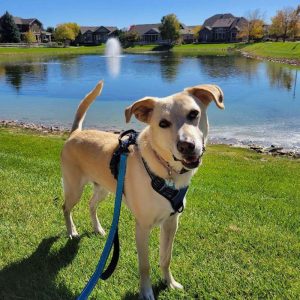
Blue-green algae in Fort Collins at Horsetooth Reservoir and other local lakes in Fort Collins and Windsor is a real summer danger for dogs, and it can be fatal. Dogs who drink contaminated water or lick it off their fur can show symptoms within minutes. Knowing what to look for, which local water spots are at higher risk, and what to do if your dog is exposed can save their life.
Here’s what every dog owner in the Fort Collins and Windsor area needs to know before heading out to the water this summer.
What Is Blue-Green Algae and Why Is It Dangerous for Dogs in Fort Collins?
Blue-green algae — technically cyanobacteria — is a naturally occurring organism in Colorado waterways. It becomes dangerous when it blooms rapidly in warm, slow-moving, or nutrient-rich water. According to the Colorado Department of Public Health and Environment, these blooms can produce toxins that are harmful to people and potentially fatal to animals.
Dogs are at especially high risk because they drink water as they swim and lick it off their fur afterward. Even a small amount of water containing cyanotoxins can be enough to cause serious illness. The scary part: you can’t tell by looking at the water whether the algae present is producing toxins. Testing is the only way to confirm it — which is why the general rule is when in doubt, stay out.
Which Local Water Spots Are at Risk for Blue-Green Algae Blooms?
Several of the most popular dog-friendly water spots in Fort Collins and Windsor are also the most likely to experience algae blooms during summer and early fall. The City of Fort Collins Utilities Department seasonally monitors Horsetooth Reservoir for harmful algal blooms — which tells you how seriously the city takes this risk.
Windsor Lake is worth specific attention: it’s an untreated agricultural body of water, meaning it carries an inherent risk of exposure to pathogenic organisms. The City of Windsor collects water samples regularly during summer, but there’s no guarantee the water is safe on any given day.
Spring Canyon Dog Park, where dogs can legally swim, is also a spot to watch. The City of Fort Collins does not routinely monitor park and natural area water bodies for algae or cyanotoxins — so there’s no ongoing safety net at these locations.
Local spots to be aware of:
- Horsetooth Reservoir — monitored by City of Fort Collins, but blooms occur mid-summer through early fall
- Windsor Lake — untreated agricultural water, higher baseline risk
- Spring Canyon Dog Park pond — not routinely monitored for algae
- Cache la Poudre River and Spring Creek — flowing water is lower risk but not zero risk
How to Spot Blue-Green Algae Before Your Dog Gets In the Water
Toxic algae doesn’t always announce itself. Sometimes it sits just below the surface or clings to shoreline rocks. But here are the warning signs to look for before letting your dog near the water:
- Water that looks like thick green paint, pea soup, or spilled paint on the surface
- Greenish, bluish, or turquoise discoloration
- Slimy scum or foam along the shoreline
- A musty or foul smell coming off the water
- Dead fish nearby or noticeably fewer birds than usual
- Posted advisory signs — always check before letting your dog in
Even if the water looks clear, trust your gut. Blue-green algae can be invisible to the naked eye and still be present at dangerous levels. When in doubt, stay out — and keep your dog out.
What Happens If Your Dog Is Exposed to Blue-Green Algae
Symptoms can appear within minutes to hours of exposure. Watch for vomiting, diarrhea, excessive drooling, weakness, difficulty breathing, muscle tremors, seizures, or collapse. This is a veterinary emergency — do not wait to see if symptoms improve on their own.
If you suspect your dog has been in contaminated water:
- Remove them from the water immediately
- Rinse their fur thoroughly with clean water — don’t let them lick themselves
- Call your vet or an emergency animal hospital right away
In the Fort Collins and Windsor area, two 24/7 emergency options are:
- Fort Collins Veterinary Emergency and Rehabilitation Hospital — 816 S Lemay Ave, Fort Collins — (970) 484-8080
- Four Seasons Veterinary Specialists — 4120 Clydesdale Pkwy, Loveland — (970) 800-1106
5 Ways Dog Owners in Fort Collins and Windsor Can Stay Safe Around Water
Avoiding blue-green algae doesn’t mean skipping summer lake time entirely. It means being smart about where and when you go.
- Check for alerts before you go. The Colorado Department of Public Health and Environment posts current algae advisories. Fort Collins Utilities also posts updates at fcgov.com/algae. Check both before any lake visit mid-summer through fall.
- Choose moving water over still water. Flowing creeks and rivers are significantly lower risk than warm, stagnant lakes and ponds. The Poudre River Trail offers great dog walking along moving water.
- Bring your own water. Offer fresh water to your dog frequently before, during, and after any outing near natural water. Dogs who aren’t thirsty are less likely to drink from a lake or pond.
- Rinse your dog after any swim. Even if the water looked fine, rinsing removes any algae that may have clung to their fur before they have a chance to lick it off.
- Know the signs and act fast. If your dog shows any symptoms after swimming — even mild ones — call your vet. With algae toxins, speed matters.
Safer Water Alternatives for Dogs in Fort Collins and Windsor
If your dog loves water but you want to avoid the algae risk this summer, there are options. A shallow kiddie pool in the shade at home is zero risk and dogs love them. Some dog training and boarding facilities in the area offer indoor hydrotherapy pools in controlled, clean water environments.
When we do dog walking in Fort Collins and Windsor at Peppy’s Pet Care, we always consider the conditions before heading anywhere near natural water. If there’s any algae risk, we route the walk away from it — your dog’s safety isn’t something we leave to chance.
If you need trusted, experienced care for your dog this summer, Peppy’s Pet Care offers dog walking in Fort Collins and Windsor with safety built into every single visit.
Frequently Asked Questions
Is blue-green algae at Horsetooth Reservoir a real danger for dogs?
Yes. The City of Fort Collins Utilities Department seasonally monitors Horsetooth Reservoir for harmful algal blooms specifically because they occur there. Mid-summer through early fall is the highest-risk period. If you see advisory signs posted, keep your dog out of the water entirely.
What does blue-green algae look like in Fort Collins area lakes?
Harmful blooms typically look like thick green paint, pea soup, or turquoise-colored scum on or near the water surface. They may also produce a musty or foul odor. But algae can also be present below the surface with no visible signs, which is why checking current advisories before visiting any lake is essential.
What should I do if my dog swims in water with blue-green algae in Fort Collins?
Remove your dog from the water immediately, rinse their fur thoroughly with clean water, and do not let them lick themselves. Call your vet or an emergency animal hospital right away — do not wait for symptoms to develop. In Fort Collins, Fort Collins Veterinary Emergency and Rehabilitation Hospital is available 24/7 at (970) 484-8080.
More from the Peppy’s blog: hot weather dog safety in Fort Collins, Fort Collins pet safety hacks and emergency contacts.